
Popular Tree Removal Products To Help You Tackle Large and Dangerous Trees
Find the most reliable tools and gear that simplify the process of removing big or hazardous trees with confidence and precision.
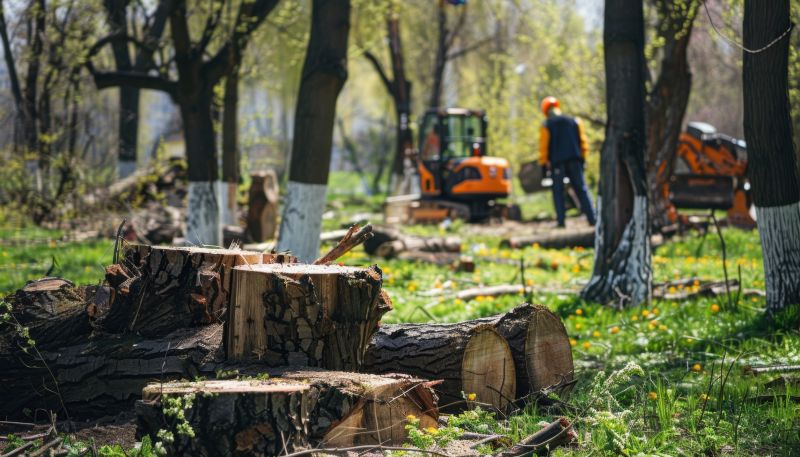 Tree removal is a task that often requires specialized equipment to ensure safety and efficiency. Whether dealing with hazardous branches, fallen trees, or clearing space for new growth, having the right tools can make the process smoother. From manual hand tools to powerful machinery, there are various options suited for different scales of tree removal projects. Proper selection depends on factors such as tree size, location, and the user's experience level.
Top Overall Option
Powerful Gas-Powered Chainsaw
A versatile and robust gas-powered chainsaw offers reliable performance for a variety of tree removal tasks. Its high motor power enables efficient cutting of large branches and trunks, making it suitable for professional and serious DIY projects. Features such as adjustable chains, safety brakes, and ergonomic design contribute to safer and more comfortable operation. This type of chainsaw is often favored for its portability and ability to handle demanding jobs without the need for electrical outlets.
Types of Products For Tree Removals
Chainsaws
Used for cutting through large branches and trunks, chainsaws come in gas, electric, and battery-powered models suitable for various scales of tree removal.
Pole Saws
Designed for reaching high branches safely, pole saws extend your reach and reduce the need for climbing ladders.
Pruning Shears
Ideal for trimming smaller branches and preparing trees for removal, pruning shears provide precision and control.
Stump Grinders
Specialized equipment for grinding down tree stumps and roots, facilitating land clearing and landscaping.
Loppers
Heavy-duty loppers are useful for cutting thick branches at ground level or within reach.
Rope and Pulley Systems
Tools to assist in safely lowering large branches or sections of a tree during removal.
Safety Gear
Protective equipment such as helmets, gloves, goggles, and hearing protection to ensure safety during tree work.
Aerial Lifts
Elevated work platforms that provide safe access to high branches and large trees.
Hand Saws
Manual saws for precise cuts on smaller branches or when power tools are not suitable.
Root Removal Tools
Tools like hydraulic root pruners or excavation equipment for removing stubborn roots and stumps.
Debris Chippers
Machinery designed to chip branches and wood debris into mulch for easier disposal or landscaping.
Log Splitters
For processing felled wood into manageable pieces, useful in preparation for disposal or firewood.
Popular Choices
Offering portability and ease of use, cordless chainsaws are popular for small to medium tree removal tasks.
Combining power and reach, these tools are favored for trimming high branches without climbing.
Affordable and easy to operate, ideal for quick trimming and shaping of smaller branches.
Compact and maneuverable, suitable for small to medium stumps in residential settings.
Popular for cutting thicker branches at accessible heights, offering leverage and control.
Essential for controlled lowering and safety during large branch removal.
Critical safety equipment for protecting the head and face during tree work.
Popular for professional tree services, providing stable access to high branches.
Preferred for detailed cuts and trimming in tight spaces or for small branches.
Effective for stubborn root removal, especially in landscaping projects.
Popular for processing yard debris into mulch, aiding cleanup after tree removal.
Used for splitting logs into firewood, often after tree removal or trimming.
For larger trees or stubborn stumps, equipment like chainsaws and stump grinders are commonly used. Chainsaws come in different sizes and power types, including gas-powered and electric models, offering flexibility depending on the job's scope. Stump grinders are designed to efficiently remove remaining roots and stumps, helping to prepare the area for future landscaping or construction.
Safety is paramount in tree removal activities. Protective gear such as helmets, gloves, eye protection, and hearing protection are essential complements to the equipment. Additionally, tools like pole saws and pruning shears can assist in managing smaller branches and reducing the overall size of the tree before using heavier machinery. Proper training and adherence to safety guidelines are crucial to prevent accidents during these operations.
In Kokomo, IN, residents and professionals alike seek reliable tools to handle tree removal tasks effectively. Investing in quality equipment can lead to safer and more efficient work, whether for a small yard project or larger landscape maintenance. Understanding the range of available products and their specific uses can help users select the most appropriate tools for their needs.
Key Buying Considerations
- Tree size and type: Larger or hardwood trees may require more powerful equipment.
- Project scope: Small pruning tasks differ from large-scale removals in equipment needs.
- Safety features: Look for tools with safety mechanisms such as automatic brakes or guards.
- Power source: Decide between gas, electric, or battery-powered tools based on mobility and convenience.
- Ease of use: Consider your experience level and select tools that match your skill set.
- Portability: For outdoor projects, lightweight and portable equipment can be advantageous.
- Durability: Invest in well-constructed tools that can withstand frequent use.
- Maintenance: Choose equipment that is easy to maintain and service.
- Budget: Balance the features and quality with your budget constraints.
- Storage: Ensure you have adequate space for storing larger machinery safely.
- Environmental conditions: Consider weather resistance if working outdoors frequently.
- Accessories and attachments: Check compatibility with additional tools for versatility.
- Noise levels: Be mindful of noise restrictions or preferences, especially in residential areas.
- Local regulations: Ensure compliance with any local ordinances regarding tree removal equipment.